This entry is part 1 of 3 in the series Napa Valley
August 16, 2026
By Simon J. Lau
Field Notes
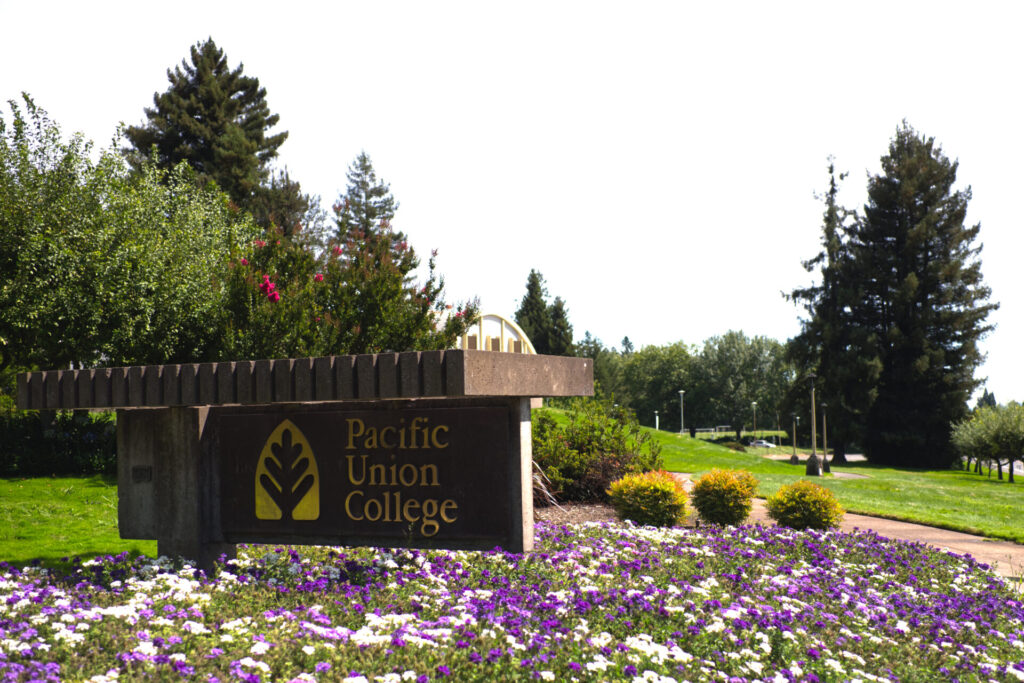
We visited Pacific Union College in Angwin, a small community in the mountains east of Napa Valley. This private Seventh-day Adventist college sits on a heavily wooded campus high above the valley, largely isolated from the towns below.
The college has been here since 1909, although its history dates back to 1882, when the school was founded in Healdsburg. It became the first Adventist college to meet the denomination’s accreditation standards and has long been known for its science and pre-medical programs.
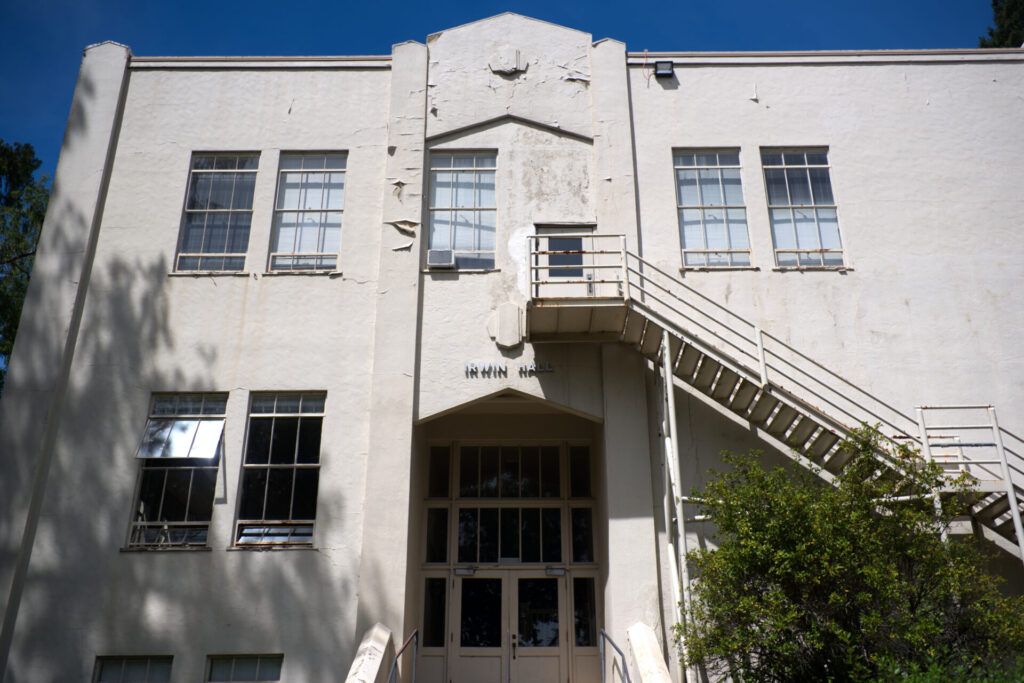
It’s peaceful, but feels more like the setting for summer camp than a traditional college experience. Add to that the fact that many of the buildings are in desperate need of renovation, and it wouldn’t be my first choice of places to spend four years of my life.
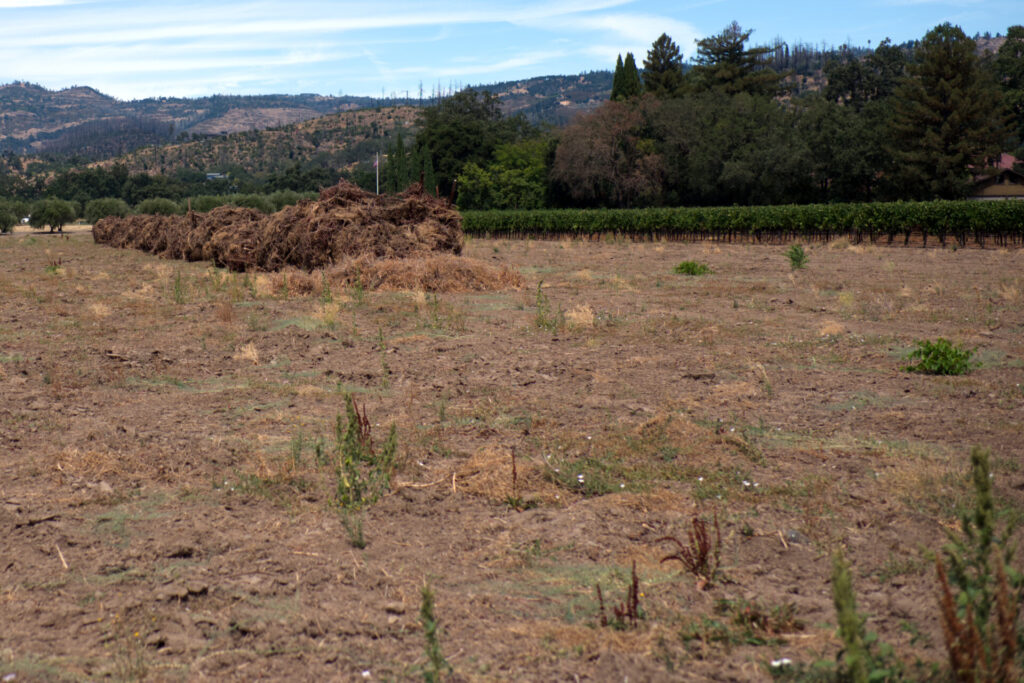
Further down, back on the valley floor, I came across something I hadn’t expected to see in Napa: entire sections of vineyards where the grapevines had been removed. Vineyard removal has become increasingly common across California.
One reason is weakening demand. Americans are drinking less alcohol in general, and wine has been part of that decline. Younger generations in particular are drinking less than the generations before them, leaving wineries with excess inventory and growers with more grapes than the market demands.
In some ways, I’m part of that change. After years of social drinking, followed by periods of heavier drinking during the pandemic, I largely stopped about a year ago. What started as an effort to cut back gradually became a question of whether there was much reason to drink at all.
Multiply some version of that decision across millions of people and the consequences start to show up in places like Napa. Even here, largely insulated by its position at the premium end of the market, the wine industry hasn’t been immune. Seeing these empty fields in a place so closely identified with wine put the scale of that change into perspective.


Comments are closed.